Law, Ethics and News Literacy

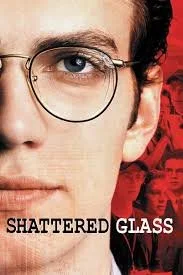
Shattered Glass (2003), dir. Billy Ray.
SPJ’s Code of Ethics
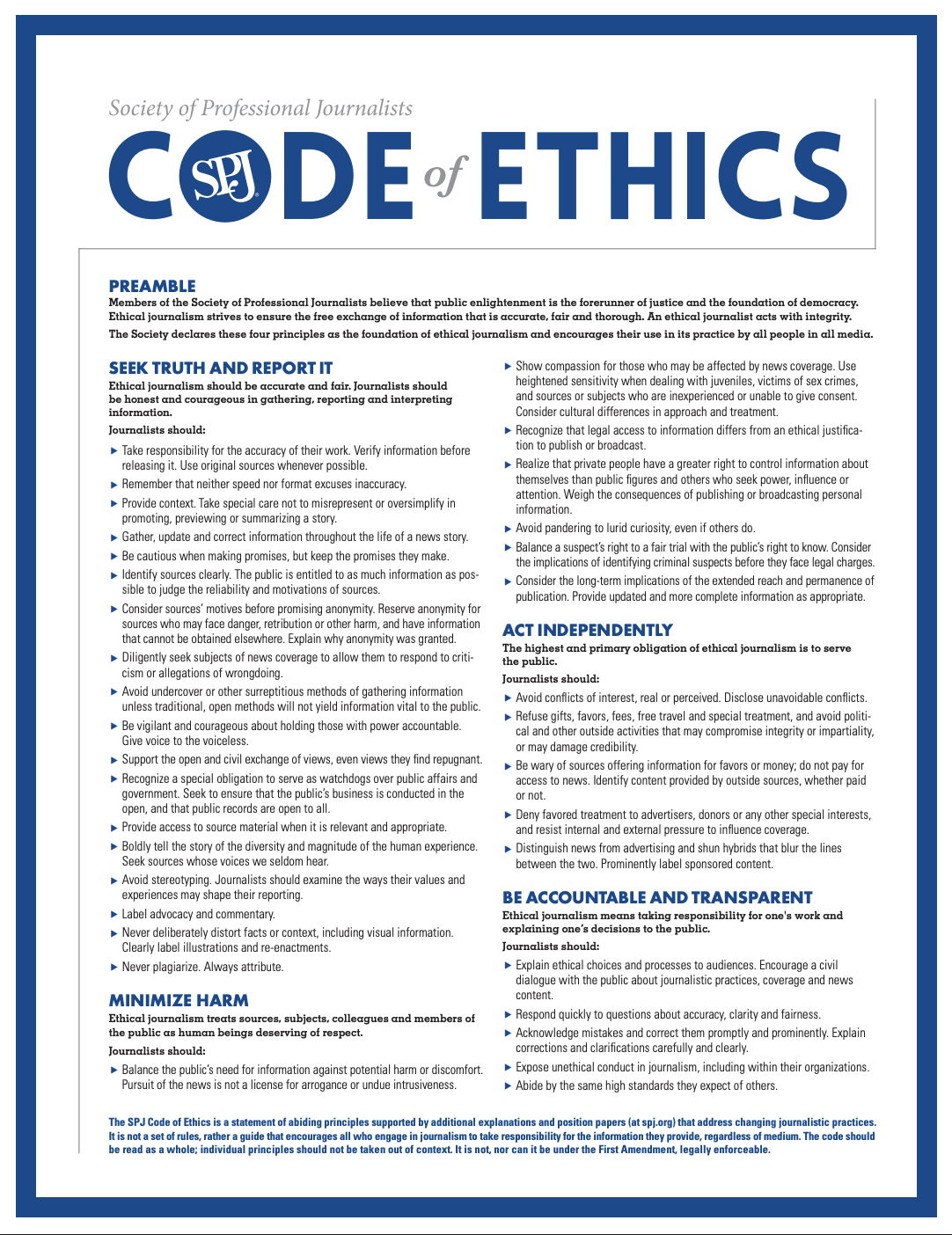
As a part of the Ka Punahou: Stories of our Community course, I studied the SPJ’s code of ethics as a foundation for ethical reporting. We examined the preamble and the 4 clauses—Seek Truth and Report It, Minimize Harm, Act Independently, and Be Accountable and Transparent—and discussed how they guide journalistic decision-making. Through analyzing news articles from various ends of the media bias chart, I learned how to apply these principles to my own writing by considering the impact of my words on communities and verifying sources. I require all of my staff members to do the same by quote-checking with every interviewee and hyperlinking external sources in their writing. When reading news articles as a part of a class assignment, I keep these principles in mind to ensure that I gain a balanced and well-informed understanding of the issue.

Shattered Glass (2003) Analysis
Additionally, through analyzing the film Shattered Glass (2003), I conducted a case study on the extreme consequences of violating ethical journalism principles. In the film, journalist Stephen Glass fabricates sources, events, and quotes, blatantly breaching SPJ’s principle of Seeking Truth in search of fame and recognition. His repeated refusal to come clean also violates Be Accountable and Transparent, and he damages the reputation of his publisher and the public—which violates Minimize Harm. Although the film is a very dramatized reenactment of Glass’ wrongdoings, it shows the importance of SPJ’s code of ethics as they protect journalism’s integrity as a whole.